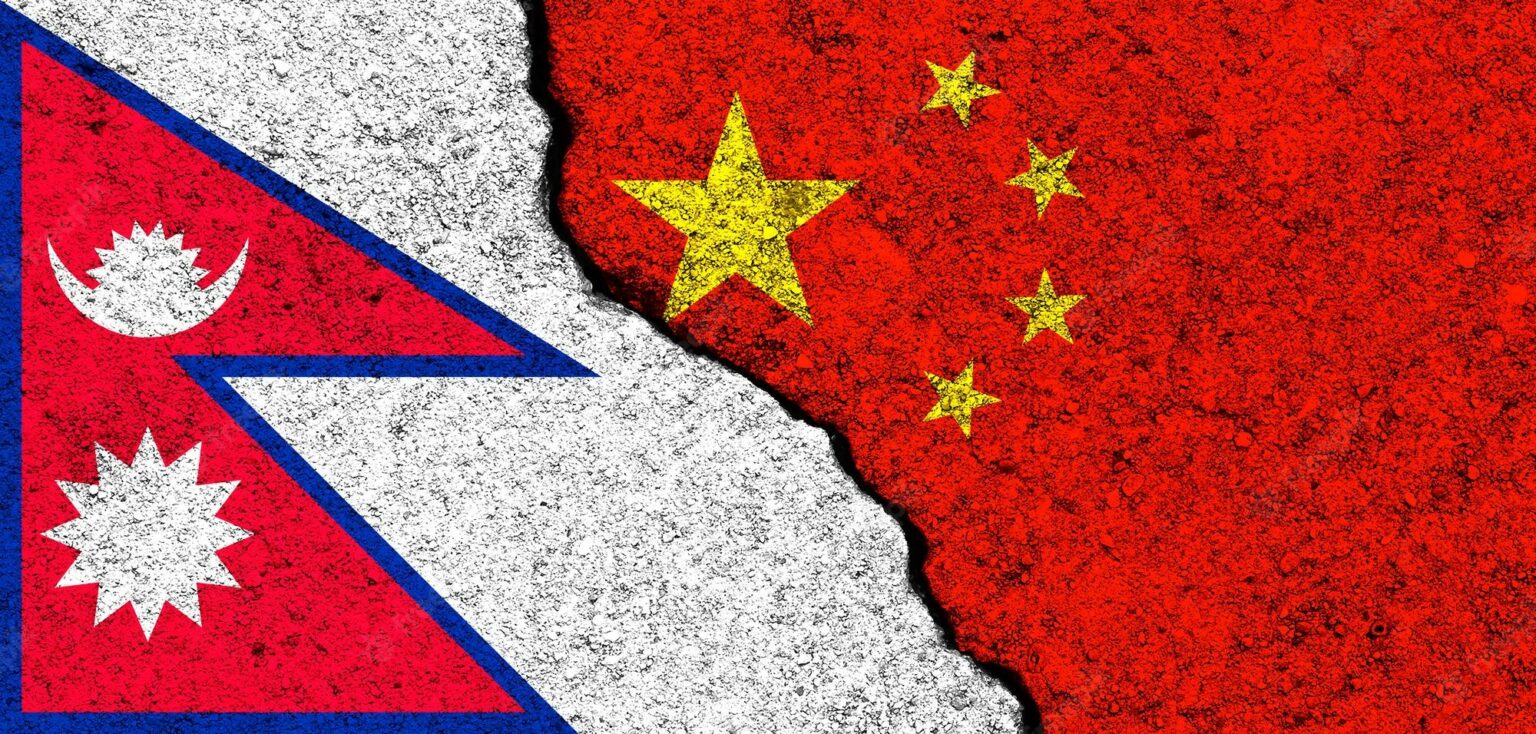
Subsequent agreements, such as the 1960 Sino-Nepal Border Agreement and the 1961 Friendship Treaty, aimed to address these issues. Yet, China’s unilateral actions, including deploying armed forces into Nepalese territory in 1960, exacerbated tensions. A skirmish in which Chinese forces attacked Nepalese border security personnel, killing one and abducting others, underscored the severity of the situation.
The Establishment of Border Markers and Ongoing Disputes
The 1960 border agreement resulted in the establishment of 98 permanent border markers across 79 locations, delineating Nepal’s 1,439.18 km-long border with China. Despite these efforts, disputes persist.
Key areas of contention include:
- Mount Everest Region: China’s claim over the northern sections of Everest remains a sensitive issue.
- Disputed Pillars: Marker number 33, constructed in Nepal’s absence, symbolizes ongoing disagreements over the exact border line.
Nepal conducts joint border inspections with China every decade. However, many disputes remain unresolved due to China’s strategic encroachments and Nepal’s lack of assertiveness.
Geopolitical Implications and the Way Forward
China’s actions along Nepal’s northern border have significant geopolitical implications. By controlling key trade routes and exerting territorial claims, China has limited Nepal’s sovereignty in critical areas.
Nepal’s reliance on China for economic and infrastructure development complicates its ability to resist such encroachments. However, history demonstrates that Nepalese leadership, when supported by public sentiment and international pressure, can effectively counter China’s ambitions.
Conclusion
Nepal’s relationship with China is a delicate balancing act. While economic cooperation remains essential, Nepal must assert its territorial integrity and historical rights. Transparent governance, robust diplomatic engagement, and active international partnerships are critical to safeguarding Nepal’s sovereignty in the face of growing external pressures.
The legacy of Nepal-Tibet-China relations offers valuable lessons: strong leadership and public unity are essential to preserving Nepal’s independence and identity.
Nepal Aaja